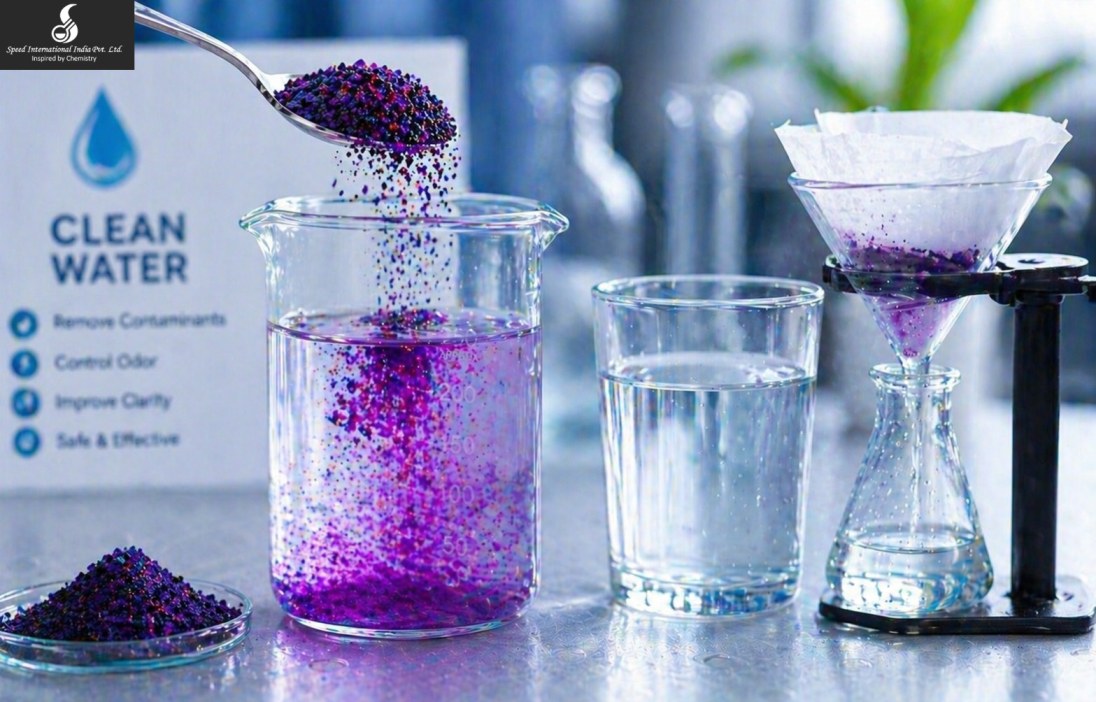
How to Use Potassium Permanganate to Clean Water Safely
Discover how to use potassium permanganate to clean water safely, including methods, dosage basics, and best practices for purification.
How to Use Potassium Permanganate to Clean Water Safely
Access to clean and safe water is essential for both domestic and industrial use. Potassium permanganate is a widely used chemical known for its strong oxidizing properties, making it effective for water cleaning and purification.
When used correctly, potassium permanganate helps remove contaminants, control odor, and improve overall water quality. However, proper usage and safety practices are crucial to ensure effective and safe treatment.
What is Potassium Permanganate?
Potassium permanganate (KMnO₄) is a powerful oxidizing agent commonly used in water treatment processes. It appears as a dark purple crystalline compound that dissolves in water to form a pink or purple solution.
It is widely used for:
- Water purification
- Disinfection support
- Removal of metals and organic impurities
Its chemical properties make it highly effective for breaking down harmful contaminants.
Why Use Potassium Permanganate for Water Cleaning
Potassium permanganate is preferred in water cleaning due to its efficiency and versatility.
- Removes iron and manganese from water
- Eliminates unpleasant odors caused by hydrogen sulfide
- Reduces organic contaminants
- Improves water clarity and appearance
- Supports overall purification processes
These benefits make it suitable for both drinking water pre-treatment and industrial water systems.
Step-by-Step Process to Clean Water
Using potassium permanganate correctly is essential to achieve safe and effective results.
Recommended Usage Methods
- Dissolve potassium permanganate in water to create a diluted solution
- Add the solution to the water that needs treatment
- Allow sufficient reaction time for oxidation to occur
- Observe color change (light pink indicates proper dosing)
- Filter the treated water to remove oxidized particles
This process ensures contaminants are converted into removable solids.
Common Mistakes to Avoid
- Overdosing, which can leave excess chemical residue
- Underdosing, leading to incomplete treatment
- Skipping filtration after treatment
- Using without proper mixing
- Ignoring water quality testing before application
Avoiding these mistakes improves treatment effectiveness and safety.
Safety Guidelines While Using Potassium Permanganate
While potassium permanganate is effective, it must be handled carefully:
- Always use appropriate protective equipment (gloves, goggles)
- Avoid direct contact with skin and eyes
- Do not ingest untreated or improperly treated water
- Keep away from organic materials and reducing agents
- Follow recommended dosage guidelines strictly
Safe handling ensures both user safety and proper water treatment outcomes.
Storage and Handling Tips
- Store in a cool, dry, and well-ventilated area
- Keep containers tightly sealed
- Protect from moisture and contamination
- Label containers clearly for safe identification
- Keep out of reach of unauthorized personnel
Proper storage helps maintain chemical stability and effectiveness.
Conclusion
Potassium permanganate is a reliable and efficient solution for cleaning and purifying water when used correctly. Its strong oxidation properties help remove contaminants, improve clarity, and enhance water quality.
By following the right methods, avoiding common mistakes, and maintaining safety standards, potassium permanganate can be effectively used for safe water cleaning in both domestic and industrial applications.
CTA (Lead Generation Section)
Looking for high-quality potassium permanganate for water purification?
Speedi International offers reliable chemical solutions designed for safe and efficient water treatment.
👉 Contact us today for expert advice and customized solutions.