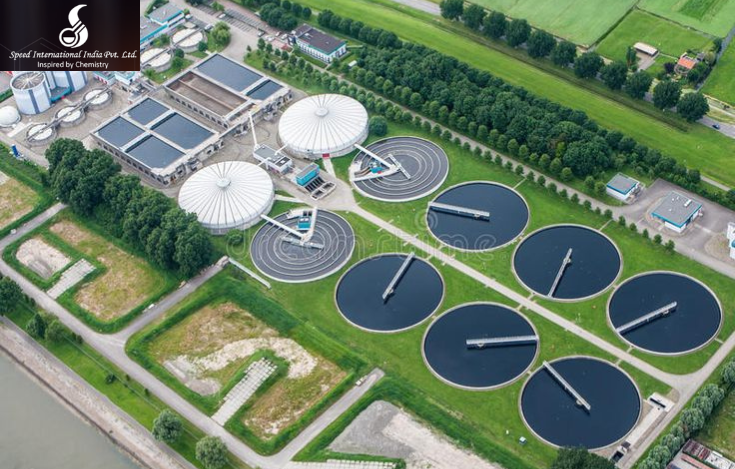
How Sodium Permanganate Works in Water Treatment Plants
Meta Title
Water Treatment Using Sodium Permanganate: Process, Uses & Benefits
Meta Description
Learn how sodium permanganate in water treatment plants removes iron, manganese, odor, and contaminants. Discover its process, dosage, and safe applications.
How Sodium Permanganate Works in Water Treatment Plants
Water treatment plants today rely on advanced chemical solutions to ensure clean, safe, and odor-free water. One of the most effective oxidizing agents used in modern systems is sodium permanganate.
From removing iron and manganese to improving water clarity and taste, sodium permanganate plays a critical role in both drinking water purification and wastewater treatment.
What Is Sodium Permanganate in Water Treatment
Sodium permanganate (NaMnO₄) is a strong oxidizing agent widely used in water purification systems. It reacts with dissolved contaminants, converting them into solid particles that can be easily filtered out.
Chemical Properties of Sodium Permanganate
- Highly soluble in water
- Strong oxidizing agent
- Purple-colored liquid solution
- Stable under proper storage conditions
These properties make it ideal for continuous dosing in water treatment plants.
Oxidation Process in Water Treatment
When sodium permanganate is added to water:
- It reacts with dissolved metals and organic compounds
- Oxidizes contaminants into insoluble particles
- These particles are then removed through filtration
This process ensures efficient removal of impurities without harmful residues.
Role of Sodium Permanganate in Treatment Plants
Sodium permanganate is used across multiple stages of water treatment due to its versatility.
Removal of Iron and Manganese
- Converts dissolved iron (Fe²⁺) into solid iron (Fe³⁺)
- Oxidizes manganese into filterable particles
- Prevents staining and discoloration in water
This is especially useful for groundwater treatment systems.
Control of Taste, Odor, and Color
- Eliminates unpleasant odors caused by hydrogen sulfide
- Reduces organic compounds affecting taste
- Improves overall water clarity
This enhances user experience, especially in drinking water supply.
Application Process in Water Treatment Plants
Dosage and Injection Methods
Sodium permanganate is typically:
- Injected using dosing pumps
- Added at controlled rates before filtration
- Used in both batch and continuous systems
Proper dosing ensures maximum efficiency without overuse.
Factors Affecting Dosage Levels
- Concentration of iron and manganese
- Water pH levels
- Flow rate of the treatment system
- Presence of organic matter
Accurate dosing is crucial—both underdosing and overdosing can reduce effectiveness.
Safety and Handling Guidelines
While sodium permanganate is effective, it must be handled carefully:
- Store in a cool, dry place away from organic materials
- Use protective equipment (gloves, goggles)
- Avoid direct contact with skin and eyes
- Follow standard chemical handling protocols
Industrial suppliers ensure high-quality formulations that meet safety standards.
Conclusion
Sodium permanganate has become an essential component in modern water treatment plants due to its powerful oxidation capabilities. Whether it’s removing iron and manganese, improving water taste, or treating wastewater, it delivers reliable and efficient results.
For industries and municipalities aiming for high-quality water purification, sodium permanganate remains a trusted and scalable solution.
CTA (Lead Generation Section)
Looking for a reliable supplier of sodium permanganate for water treatment?
Speedi International provides high-quality chemical solutions tailored for industrial and municipal water treatment needs.
👉 Contact us today to get expert guidance and customized solutions.